
Troubleshooting EV Chargers: Expert Fixes for Reliable Power 2024
There I was, one evening, ready to hit the road in my electric vehicle, only to find that my charger refused to cooperate. The lights flickered, the connection dropped. Frustration set in. After hours of troubleshooting, I realized the problem wasn’t just about my charger failing — it was about ensuring everything met the latest code requirements for safety and performance. It was a lightbulb moment: a reliable EV charging setup isn’t just about plugging in; it’s about understanding the critical fixes and upgrades that keep your power steady and safe.
Why Fixing Your EV Charger Matters More Than Ever
In 2024, the importance of troubleshooting and maintaining your EV charger has skyrocketed. More households are installing home chargers, making it crucial to avoid hazards that can stem from overlooked issues. According to a recent study, improper charger installation can lead to electrical fires, which are preventable with proper code compliance and troubleshooting expertise (NFPA). If you’re like me, you want your charger to deliver reliable power without risking safety — and that’s exactly what mastering these fixes provides.
Have you ever faced an unexpected charger failure and wondered whether it’s worth the hassle?
Trust me, jumping into DIY troubleshooting without understanding proper code compliance or panel upgrades can lead to costly mistakes. Early on, I missed that my panel wasn’t upgraded to handle the load, which caused intermittent power issues. The fix? An affordable panel upgrade after consulting experts, something you can learn about here. With the right knowledge, you’ll avoid these pitfalls and ensure your system is not just operational but safe and efficient.
Ready to get practical? We’ll walk through common problems and expert fixes that keep your EV charger dependable, all while making sure your home is code-compliant and safe for years to come.
Assessing Your Panel Before Troubleshooting
Start by inspecting your electrical panel, like checking the engine of a car before a long trip. If your panel hasn’t been upgraded to handle the increased load from EV charging, it may struggle or trip circuits. During my experience last summer, I noticed frequent breaker trips when my charger was in heavy use. I immediately checked my panel’s capacity and found it was outdated. Upgrading the panel significantly improved performance and safety. Learn about [panel upgrades for EV chargers](https://brightsparkzelectric.com/panel-upgrades-for-ev-chargers-what-you-need-to-know) to ensure your system meets current requirements.
Verifying Code Compliance in Your Installation
Ensuring your setup meets local electrical codes is crucial. Think of it as having your vehicle inspected before hitting the road — it guarantees safety and legality. I used the [code verification process](https://brightsparkzelectric.com/how-to-verify-code-compliance-for-your-ev-charger-installation) tool to double-check my installation. This involved confirming correct breaker sizing, proper grounding, and correct wiring methods. Skipping this step can lead to hazards or an insurance claim denial if issues arise. Always document your compliance efforts and consider consulting a licensed electrician for complex tasks.
Step-by-step: Checking breaker ratings and wiring quality
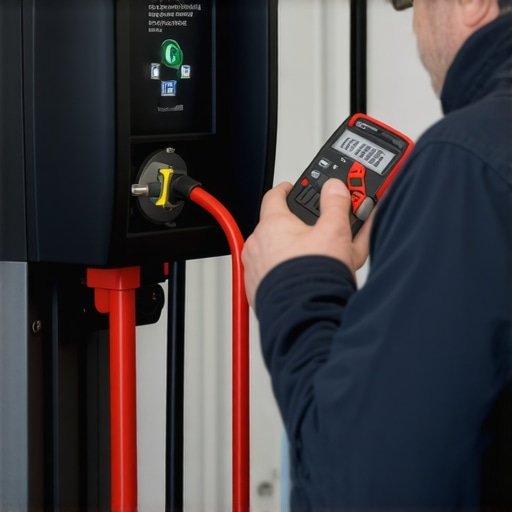
First, turn off power at the main panel. Using a multimeter, verify voltage levels and inspect wiring connections for corrosion or loose terminals. Replace any damaged wires. Next, ensure the breaker matches the amperage recommended for your charger, usually 40A or higher. This is similar to choosing the right tire size for your vehicle — mismatch can cause performance issues or safety hazards. For detailed guidance, review [expert tips on troubleshooting](https://brightsparkzelectric.com/ev-charger-troubleshooting-expert-tips-for-common-issues).
Upgrading Your Home Panel
If your panel is outdated or undersized, a professional upgrade is necessary. Think of it as expanding your driveway to accommodate a larger vehicle — without it, you risk damage or traffic jams. During my upgrade, a licensed electrician installed a new 200A panel with dedicated circuits for my EV charger, greatly improving reliability. You can explore [what you need to know about panel upgrades](https://brightsparkzelectric.com/panel-upgrades-for-ev-chargers-what-you-need-to-know) to plan effectively. Remember, a proper upgrade not only supports current needs but also future-proofs your home for additional electrical demands.
Addressing Troubleshooting Roadblocks
When your charger refuses to cooperate, it’s often due to wiring issues, loose connections, or outdated firmware. I once faced a connection error that I initially thought was a hardware failure. By consulting [troubleshooting guides](https://brightsparkzelectric.com/ev-charger-troubleshooting-expert-tips-for-common-issues), I discovered a loose wire inside the unit. Carefully re-tightening connections and updating the firmware resolved my problem, restoring reliable charging. Always de-energize circuits before inspection, and if unsure, contact professionals through [contact us](https://brightsparkzelectric.com/contact-us) to avoid safety risks.
Implementing Preventative Measures
Prevention is better than repair. Regularly inspect wiring connections, test circuit breakers, and update your charger’s firmware. Think of it as routine vehicle maintenance — it prolongs lifespan and prevents breakdowns. Schedule annual electric system audits, especially after significant upgrades or repairs. Using qualified professionals ensures your setup remains code-compliant and safe, saving you money in the long run. Resources like [expert fixes for common issues](https://brightsparkzelectric.com/troubleshooting-ev-charger-troubleshooting-expert-tips-for-common-issues) can guide you in proactive maintenance, keeping your home powered and protected.When it comes to installing or troubleshooting an EV charger, many homeowners believe that adhering to basic safety standards suffices. However, there’s a significant depth of nuance that often gets ignored, leading to unsafe setups or costly mistakes. Contrary to popular belief, simply following the checklist isn’t enough to guarantee code compliance or long-term reliability. For instance, a common myth is that any upgraded panel will automatically handle EV loads safely; in reality, specific adjustments like proper overcurrent protection and grounding are critical, which is why comprehensive upgrades are essential. Skipping a detailed review of local codes during installation can result in violations that jeopardize safety and insurance coverage. Always verify your setup meets regional requirements — a process that involves meticulous inspection of wiring methods and breaker ratings, as explained in [this expert guide](https://brightsparkzelectric.com/ensuring-code-compliance-when-installing-ev-chargers).
Keeping Your EV Charger in Peak Condition
Ensuring your electric vehicle charging setup remains reliable and safe over time requires more than occasional fixes. It involves using the right tools, monitoring your system regularly, and understanding the evolving demands of your home’s electrical infrastructure. Personally, I rely on a combination of advanced testing equipment and software that allow me to diagnose issues proactively, saving both time and money in the long run. This approach not only prevents breakdowns but also helps maintain compliance with evolving electrical codes.
How do I maintain my EV charging system over time?
One of my go-to tools is a high-quality clamp meter, which enables me to measure current flow without interrupting circuits. This device tells me whether my charger is drawing appropriate power or if there’s a leak or overload that needs addressing. I always pair this with a digital multimeter for verifying voltage levels and testing wiring integrity. For software, I use professional circuit analysis programs that simulate load conditions and flag potential issues before they become safety hazards. Incorporating these tools into my routine inspection process has dramatically increased the longevity of my system and has kept it compliant with safety standards.
Moreover, I stay updated with the latest tech by subscribing to industry-specific firmware updates and electrical code revisions. This proactive approach ensures my installations meet current regulations and utilize improvements designed to enhance safety and efficiency. Trends indicate that smart monitoring systems, which integrate with home automation platforms, are set to become standard. These systems provide real-time alerts on performance issues or irregularities, offering peace of mind and instant troubleshooting capabilities.
Essential equipment to keep your system running
If you’re serious about long-term maintenance, investment in a professional-grade energy analyzer can be a game changer. These devices assess harmonic distortions and power quality, which are critical factors in preventing equipment degradation over years of use. In my experience, combining this with regular visual inspections of wiring and connections allows for comprehensive system health checks. Remember, maintaining code compliance isn’t a one-and-done task; it’s an ongoing effort that benefits from having the right diagnostic tools at your disposal.
Don’t forget about keeping detailed logs of your inspections and repairs. Digital documentation coupled with tools like Wi-Fi-enabled diagnostic modules helps track performance trends and foresee upcoming upgrades or repairs. This strategic approach enables you to scale your system smoothly—whether adding additional chargers or upgrading panels in the future. As we look ahead, integrating AI-driven diagnostics promises to make these long-term maintenance routines even smarter and more efficient, bringing predictive maintenance into everyday home EV setups.
Investing in Future-Proofing Your Setup
To truly keep your EV charging system working seamlessly over many years, embrace tools that offer real-time insights and remote diagnostics. This not only enhances safety but also ensures you remain compliant with local codes and standards as they evolve. For example, the recent updates in [code compliance](https://brightsparkzelectric.com/ensuring-code-compliance-when-installing-ev-chargers) emphasize the importance of thorough ongoing assessments—something that smart diagnostic tools greatly simplify.
If you’re ready to take your maintenance to the next level, try integrating a professional energy analyzer combined with smart monitoring modules. These tools will help you detect subtle issues before they escalate, ensuring consistent performance. Staying ahead in the game means fewer surprises and more reliable, safe charging for years to come. Remember, proactive maintenance backed by the right tools is the best way to safeguard your investment and keep your home power system running smoothly.
Mastering Disconnects and Overlooked Details
One of the most valuable lessons I uncovered was that minor wiring oversights can cause major headaches down the line. I once ignored a seemingly insignificant loose connection, only to face repeated charging failures. This experience taught me that meticulous inspection of every connection is essential, especially after updates or repairs, to ensure long-term safety and function.
Why Professional Insight Trumps Guesswork
Attempting to troubleshoot complex issues without proper expertise can lead to dangerous mistakes. Consulting resources like professional troubleshooting guides saved me from costly errors. Investing in expert advice ensures your system adheres to current codes and avoids safety hazards, which is critical for home EV chargers.
The Crucial Role of Upgrades You Might Underestimate
Underestimating the importance of panel upgrades initially left me vulnerable to unreliable power delivery. Upgrading to a dedicated, code-compliant panel, as detailed here, transformed my charging experience. Recognizing the value of such upgrades early on helped me future-proof my home against continuous electrical demands.
Long-Term Maintenance Is Your Best Ally
Establishing routine inspections and updates has proven indispensable. Using tools like expert-recommended diagnostic tools prevents minor issues from blossoming into major safety concerns. Consistently investing in proactive maintenance has been my best strategy in extending the lifespan and safety of my EV charging setup.
Curated Guide for Keeping Your System Top-Notch
My trusted resources include comprehensive guides on panel upgrades, troubleshooting tips, and code compliance
to ensure my setup remains safe and efficient. They provide actionable insights that have empowered me and can do the same for you.
Now It’s Your Turn to Keep Power Safe and Reliable
Maintaining your EV charging system isn’t just about fixing problems—it’s about fostering confidence in your home’s electrical safety. With the right knowledge and tools, you can avoid pitfalls that threaten safety and performance. Remember, proactive care today ensures seamless charging tomorrow.
Have you encountered a challenge with your EV charger or panel upgrade? Share your experience below, and let’s learn together!
,
Reading through this post reminded me of my own experience with troubleshooting my home EV charger last winter. The flickering lights and connection drops were frustrating, but I realized that a lot of the issue stemmed from outdated wiring and insufficient panel capacity. Investing in a proper upgrade not only improved reliability but also gave me peace of mind regarding safety. What’s interesting is how many homeowners overlook the importance of regular inspections and code compliance, which are critical as EV technology becomes more prevalent. I’ve found that staying proactive with annual checks and consulting professional guides really makes a difference. Has anyone here tried integrating smart monitoring systems for their chargers? I’d love to hear if it made a tangible difference in maintenance and troubleshooting.
This post hits close to home. I had a similar experience where my EV charger kept tripping the circuit, and initially I thought it was just a faulty unit. After some research, I learned that outdated wiring and an undersized breaker could cause those kinds of issues. Upgrading my panel and ensuring everything met local code was a game changer—power delivery became much more reliable, and I feel a lot safer now. I also found that using smart monitoring tools helped me catch small issues before they became bigger problems. Has anyone else experienced improvements in system longevity and safety after installing these IoT solutions? I think integrating such technology could be beneficial for many homeowners, especially as EV adoption increases and systems become more complex. It’s encouraging to see these detailed troubleshooting guides and expert tips—makes DIY maintenance much more approachable!